Micro-Realism: The Precision Technology and Artistry Behind Miniature Tattoos
Published October 2, 2026 · by Adora
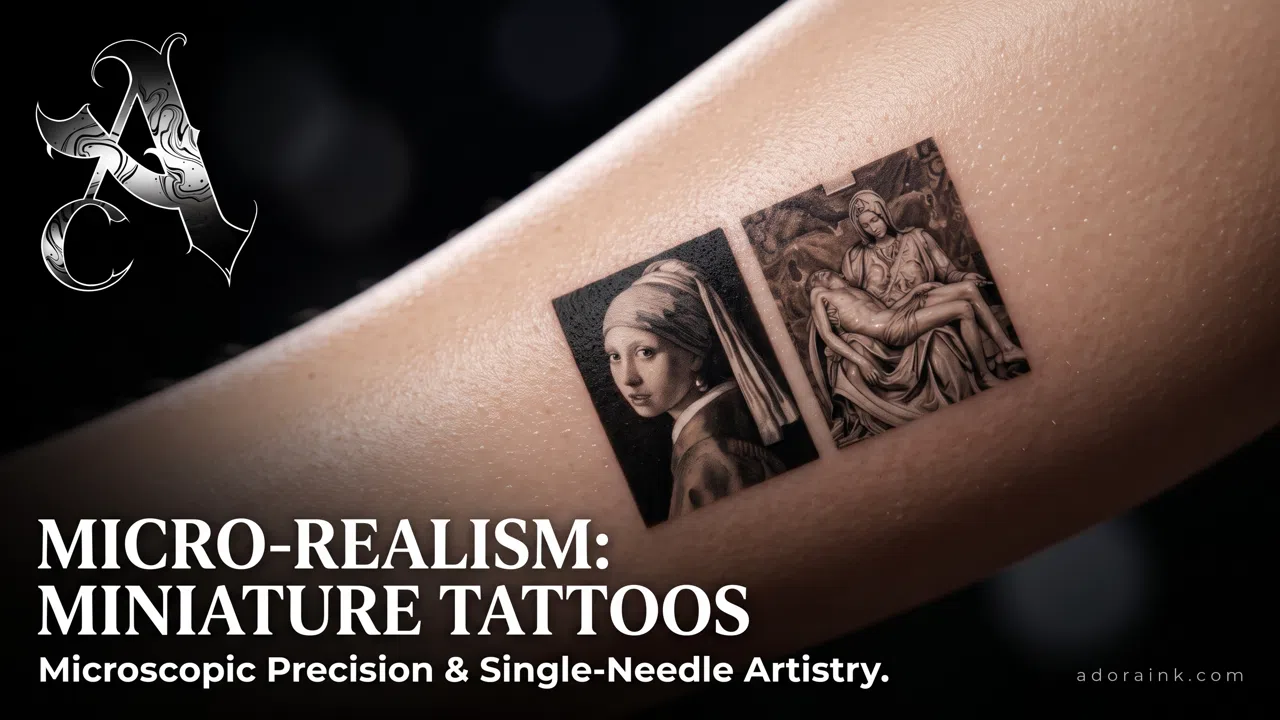
Micro-realism compresses recognisable subjects, tonal modelling, and carefully selected detail into a small tattoo. The challenge is not simply making a large image tiny: it is deciding what can remain legible as skin changes. At Adora Ink in Fuenlabrada, Madrid, miniature work begins with scale,…
Micro-realism compresses recognisable subjects, tonal modelling, and carefully selected detail into a small tattoo. The challenge is not simply making a large image tiny: it is deciding what can remain legible as skin changes. At Adora Ink in Fuenlabrada, Madrid, miniature work begins with scale, contrast, placement, and a long-term visual plan.
How small can micro-realism be?
There is no responsible universal minimum. A simple eye, flower, portrait, animal, or object needs different negative space and tonal separation. Placement, skin texture, sun exposure, contrast, and the amount of information all influence scale. If reducing the design would merge essential features, the honest recommendation is to enlarge or simplify it.
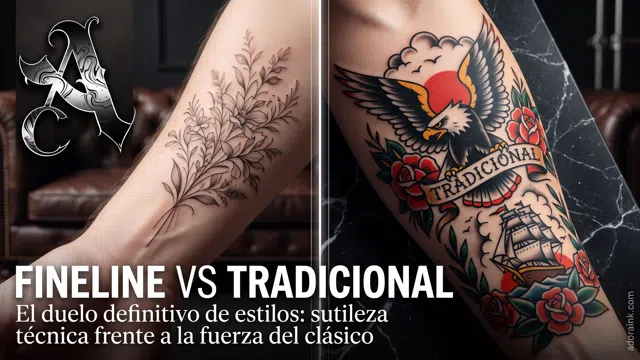
Micro-realism is related to fine line practice but is not defined only by thin outlines. It may combine tiny lines, stippling, soft black-and-grey transitions, small colour accents, and open skin. Read fine line versus traditional tattoos for a broader comparison of visual weight and ageing.
Precision technology and technique
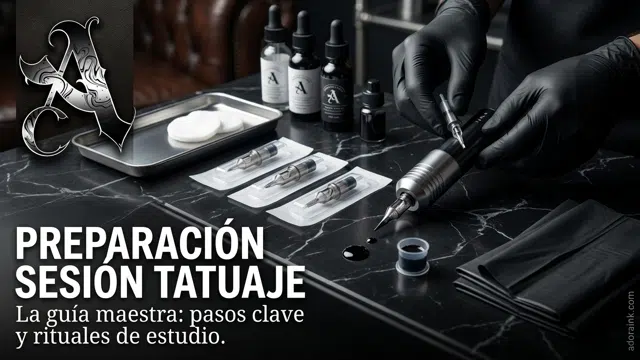
Stable rotary pens, consistent cartridges, suitable small-diameter groupings, controlled stroke, magnification, and even lighting can support precision. Technology reduces friction in the workflow; it cannot make an artist understand values, anatomy, composition, or skin. The design must be translated rather than mechanically copied from a photograph.
The artist manages stretch, depth, hand speed, pigment load, wiping, and repeated contact. Overworking an area to force photographic density can create unnecessary trauma and poor healing. Restraint matters: a deliberate omission may preserve the subject better than another microscopic mark.
Session time and cost
Small dimensions do not always mean a short appointment. Consultation, stencil refinement, placement, setup, tiny transitions, and cautious passes can take substantial time. A compact portrait may demand more concentration per square centimetre than a larger graphic motif. Breaks must remain controlled because swelling can obscure subtle values.
Cost reflects design preparation, complexity, placement, technical concentration, hygiene setup, and estimated time—not just centimetres. A quote is possible after reviewing the reference and body area. Extremely cheap micro-realism may hide rushed design or unrealistic density; value should be judged through relevant healed work and transparent planning.
Healing and long-term readability
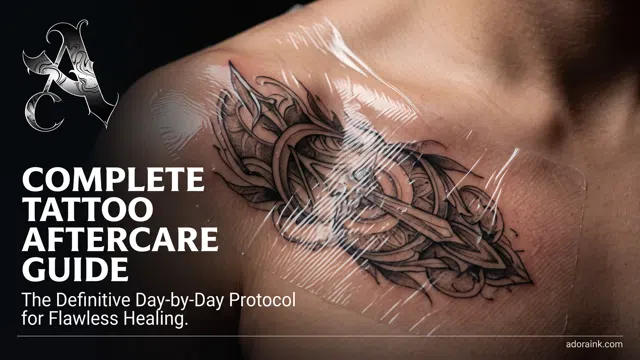
Follow the artist's bandage, washing, drying, and moisturising instructions. Do not pick flakes, soak, swim, or expose the fresh tattoo to sun. Friction from clothing and intense training can interfere with healing depending on placement. Our complete aftercare guide covers the stages in detail.
After healing, regular sun protection helps limit fading and contrast loss. All tattoos settle and change; very small adjacent marks can visually soften over time. Good micro-realism anticipates that process through spacing, hierarchy, and selective contrast. A healed review, rather than an immediate close-up, is the best evidence of technical success.
Artistic decisions that matter
Tools and environments only matter when they serve the design. At Adora Ink, we assess how micro-realism affects line quality, shading, saturation, and long-term readability. One technical recipe cannot suit fine line tattoos, black and gray tattoos, realism tattoos, neo-traditional tattoos, blackwork tattoos, watercolor tattoos, old-school tattoos, new-school tattoos, Japanese tattoos, Chicano tattoos, tribal tattoos, color tattoos. Every visual language needs its own balance of setup, depth, speed, and healing strategy. That is why a consultation starts with references, placement, scale, and realistic expectations rather than a machine or trend in isolation.
We also consider skin tone, anatomy, natural movement, and the breathing room the composition needs. These choices may seem subtle during consultation, yet they determine whether the finished tattoo keeps its clarity, balance, and character after healing and as it settles over time.
The best technology is the one that turns an artistic decision into controlled, hygienic work while respecting the skin.
Style references clients often search
Collectors frequently arrive with silo phrases such as Fine line black and gray tattoo artist, Healed black and gray tattoo results, Realistic shading black and gray tattoo, High contrast black and gray tattoo studio, Black and gray tattoo cover up, Solid blackwork tattoo, Sacred geometry blackwork tattoo, Custom ornamental blackwork tattoo, Blackwork tattoo stippling shading, Award winning black and gray tattoo, Neo traditional floral tattoo sleeve, Soft edge watercolor tattoo composition, Bold traditional old school tattoo, Saturated new school color tattoo. Matching those search intents to anatomy and healed readability is part of every consultation at Adora Ink.
Resources, brands, and your next step
For more technical context, read our guides to studio hygiene and safety, professional equipment, machine stroke, and complete tattoo aftercare. Manufacturer references include FK Irons, Cheyenne, Kwadron, and Bishop Rotary. Specifications are useful, but a professional choice also depends on the design and the trained hand controlling it.
Adora Ink is a private studio in Fuenlabrada, Madrid, focused on custom work and clear communication. Learn more about the artist, explore the portfolio, or book a session. Before confirming an appointment, we explain scope, preparation, estimated price, and aftercare so you can make an informed decision and arrive confidently.
Frequently asked questions
How small can a micro-realistic tattoo be without turning into an indistinct blur over time?
High-detail micro-portraits typically need to measure between 6 and 10 centimeters (2.5 to 4 inches). Going smaller than this significantly increases the risk that natural ink dispersion will blur critical micro-features (like eyelashes, pupils, or subtle wrinkles) over the years.
How long does a typical micro-realism session take?
Despite the smaller dimensions, micro-realism is meticulous work. A 7–8 cm portrait can easily require 4 to 7 hours of concentrated effort, as every light reflection, gradient, and shadow is applied needle by needle.
Why does a small micro-realism piece often cost as much as a large traditional tattoo?
Pricing reflects the extreme level of technical expertise, single-needle precision, and intense focus required. Only a select group of artists possess the hand stability and precise depth control needed to execute miniature realism without causing skin blowouts.
How do I care for a micro-realism tattoo to preserve fine details?
Lifelong SPF 50+ sun protection and regular daily skin moisturizing are mandatory. Ultraviolet radiation is the primary cause of pigment migration, and keeping the skin hydrated keeps the delicate contrast values sharp.