Summer Tattoo Care: Sun, Swimming & Beach Rules to Prevent Fading and Infection
Published October 2, 2026 · by Adora
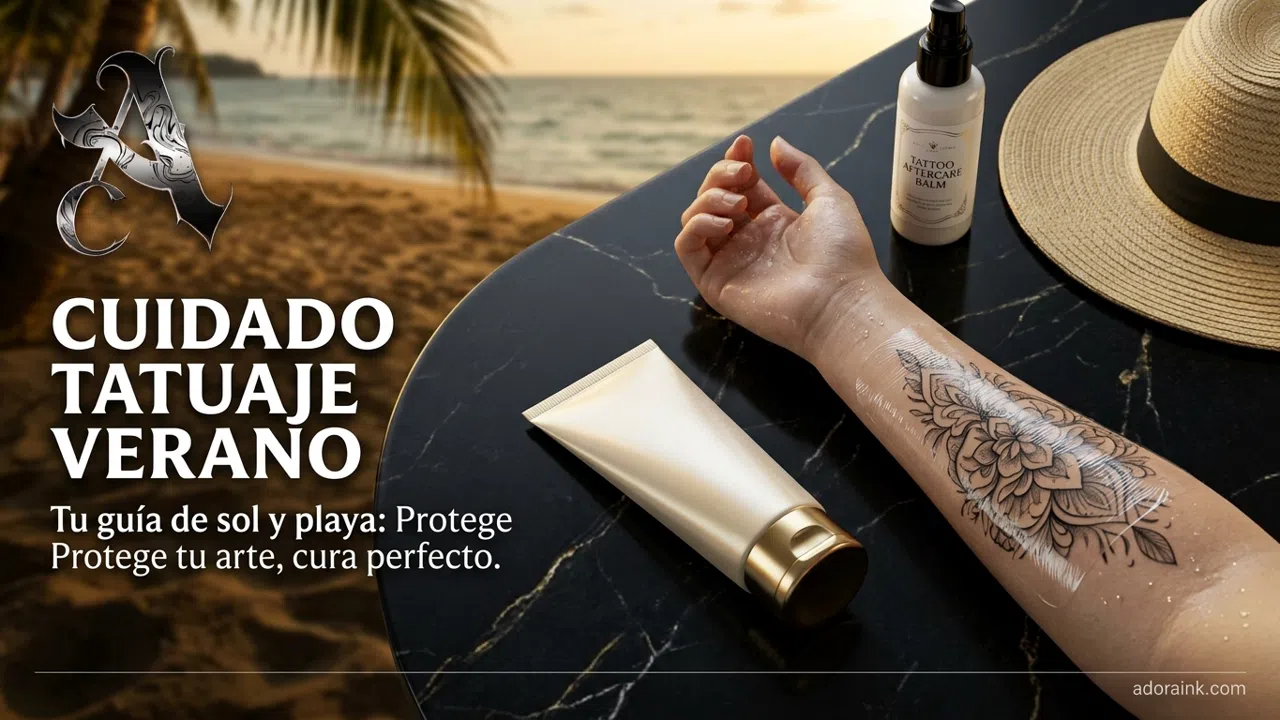
Summer tattoo care requires planning because heat, ultraviolet radiation, sweat, sand and shared water all add pressure to healing skin. A fresh tattoo is a controlled wound, not a waterproof accessory. At Adora Ink in Fuenlabrada, Madrid, we recommend scheduling around holidays rather than trying…
Summer tattoo care requires planning because heat, ultraviolet radiation, sweat, sand and shared water all add pressure to healing skin. A fresh tattoo is a controlled wound, not a waterproof accessory. At Adora Ink in Fuenlabrada, Madrid, we recommend scheduling around holidays rather than trying to make a beach itinerary compatible with an unhealed tattoo.
No swimming during initial healing
Wait until the tattoo is completely closed and settled before swimming—commonly three to four weeks, although large, densely worked or slow-healing pieces can need longer. There should be no scabs, flakes, shiny fragile patches, weeping or tenderness. A calendar date does not overrule what the skin shows.
This applies to pools, sea, rivers, lakes, hot tubs and long baths. Chlorine does not make a pool sterile, salt water is not a clinical cleanser, and natural water contains microorganisms. Prolonged soaking softens healing tissue, while entering and leaving the water adds friction and contamination. Waterproof dressings are designed for specific wound-management periods, not recreational swimming.
Keep a fresh tattoo out of direct sun
For roughly the first two to three weeks, protect the tattoo with shade and clean, loose clothing. Do not apply sunscreen onto open, peeling or irritated skin unless a qualified clinician specifically directs it. Sunscreen is formulated for intact skin and does not replace physical protection during wound healing.
Sunburn increases inflammation and can blister, peel, disrupt pigment retention and extend healing. Severe burns also damage the skin that holds the tattoo. If fresh work becomes burned, blistered or increasingly painful, contact an appropriate healthcare professional and inform your artist. Do not improvise with ice directly on skin or heavy fragranced products.
A holiday can be rescheduled around a tattoo, but damaged healing cannot be rewound.
Heat, sweat and beach sand
Normal light perspiration is not a disaster, but prolonged sweaty clothing, hard training and friction can irritate the area. During early healing, choose calm activity and clean breathable garments. Shower as instructed after unavoidable sweating, wash gently with clean hands and pat dry with disposable paper. Do not scrub or repeatedly wash in an attempt to sterilise the tattoo.
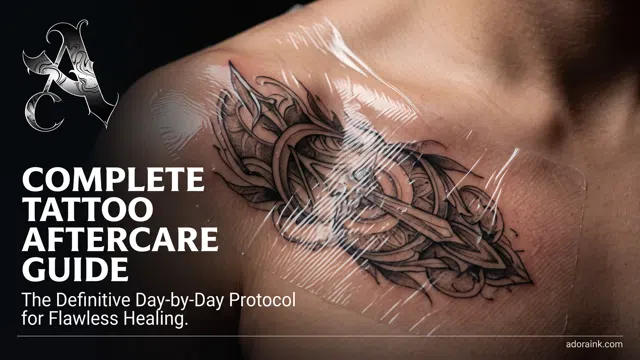
Sand clings, scratches and carries debris. Keep an unhealed tattoo away from the beach even if you intend to stay out of the sea. If accidental contamination occurs, rinse and wash gently according to your aftercare instructions; do not abrade the skin. Review our complete aftercare guide and studio hygiene article for the broader principles.
SPF after the tattoo has healed
Once the surface is fully healed, use a broad-spectrum SPF 50+, apply enough to cover the area and reapply according to the product directions—especially after swimming, sweating or towelling. Sunscreen reduces ultraviolet exposure but does not make unlimited sun safe. Shade and clothing remain valuable, particularly around midday in Madrid.
UVA and UVB exposure can reduce contrast and change colour over time. This affects every palette: pale washes, small details and bright pigments may show the change sooner, while black ink also loses crispness. EU-compliant pigment is not UV-proof; our REACH ink guide explains what regulation does and does not mean.
Planning a summer appointment
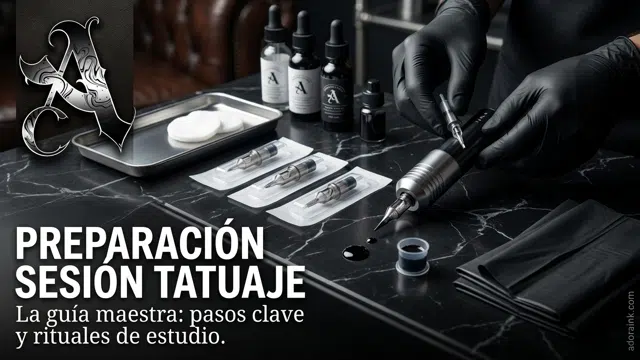
Count backwards from flights, beach days, pool bookings and outdoor sport. If you cannot provide several weeks without soaking or direct exposure, choose a later appointment. Before coming, follow our session preparation checklist. Placement also matters: see the pain chart and bring clothing that covers the design without tight friction.
For travel or conventions, keep aftercare supplies accessible and follow the artist's dressing instructions. Do not leave a dressing on longer merely to swim. Our tattoo convention guide, equipment overview and style guide provide further planning context.
Sun protection across tattoo styles
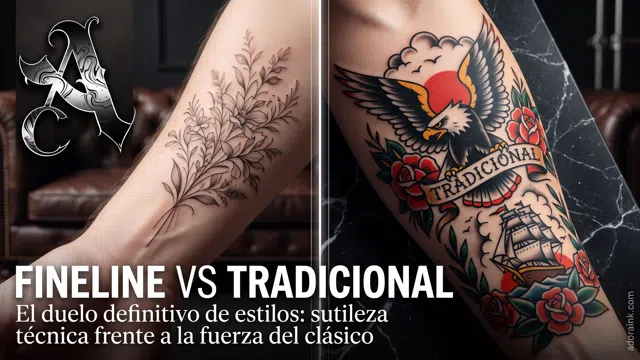
Long-term SPF supports a crisp fine line summer tattoo, healed black and gray tattoo contrast, detailed realism tattoo in sunlight, bright neo-traditional floral tattoo, solid blackwork tattoo, luminous watercolor tattoo, bold old-school color tattoo, saturated new-school tattoo, large Japanese tattoo composition, smooth Chicano black and gray tattoo, defined tribal tattoo pattern and a vibrant full-color tattoo. Different styles fade differently, but none benefits from repeated sunburn.
When summer goes wrong
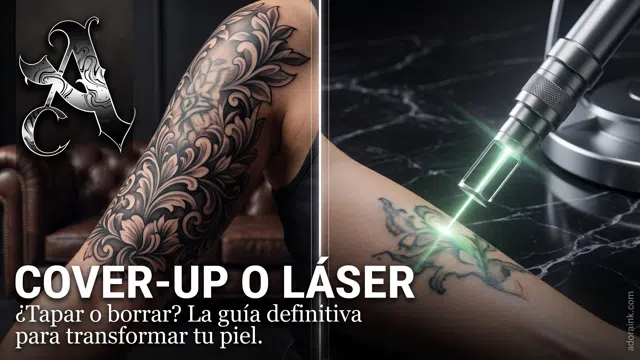
Increasing redness, heat, swelling, pus, worsening pain, fever or red streaking needs prompt medical assessment; do not diagnose an infection through social media. For ordinary healing questions, contact the studio with a clear photograph. If you are considering changing older sun-faded work, read our cover-up and laser guide and fine line longevity guide. Explore the portfolio, learn about Adora Ink, or book a session after checking your summer calendar.
Frequently asked questions
How long after getting a tattoo do I have to wait before swimming in a pool or the ocean?
You must wait a minimum of 3 to 4 weeks until the skin is fully regenerated. Natural bodies of water and swimming pools harbor bacteria, parasites, and harsh chemicals that can cause severe infections, prolonged healing, and permanent ink loss.
Can I apply sunscreen on a fresh tattoo?
No. You should never apply sunscreen to a fresh, unhealed tattoo (first 2 to 3 weeks). Sunscreen contains chemical filters and fragrances that can irritate open wounds. Instead, keep the tattoo protected from the sun by wearing loose, opaque clothing.
What happens if a new tattoo gets sunburned?
A sunburn on fresh ink causes severe inflammation, blistering, and accelerated ink fading, and it can disrupt healing so severely that scarring occurs. If accidentally exposed, cool the skin with a cold damp cloth (avoiding soaking) and consult your artist.
How do I maintain my tattoo's vibrant color in the summer once it is fully healed?
Apply a water-resistant, broad-spectrum SPF 50+ sunscreen every 2 hours when outdoors. Daily hydration with a quality moisturizing lotion keeps the skin supple, allowing the ink beneath to look crisp and saturated.